
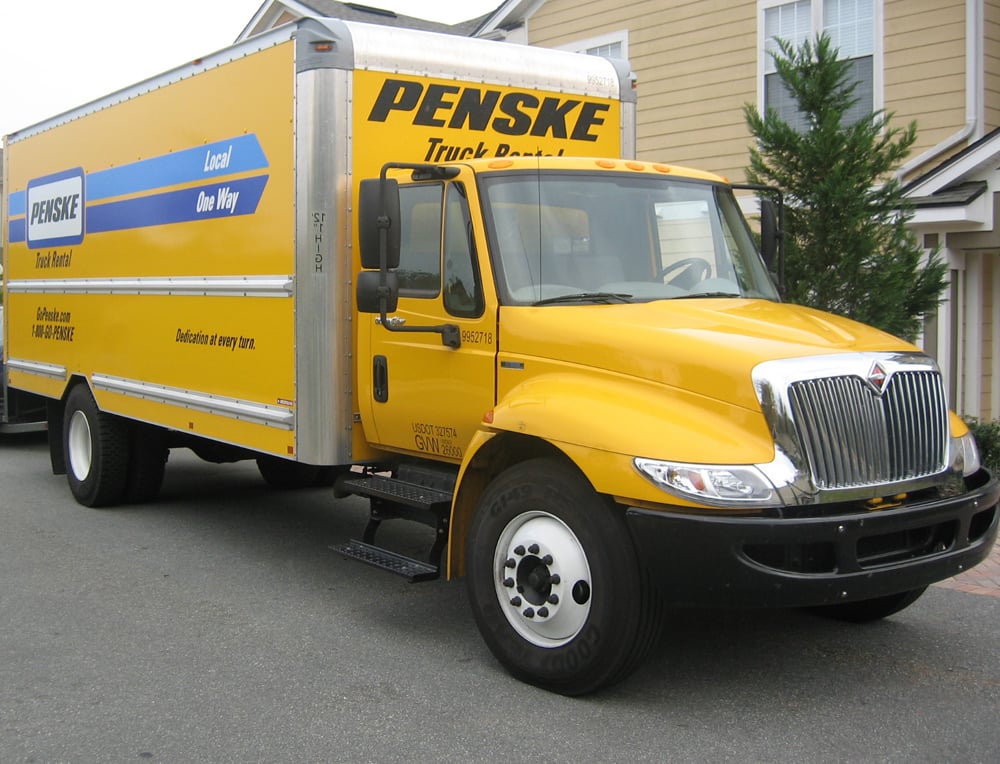
Penske Logistics is using Pallet’s AI platform to audit and resolve freight invoices, according to a November 4 company announcement. For shippers, the development raises a practical question: how much administrative work can an AI agent take on while leaving a clear, defensible explanation for every payment decision?
The opportunity is worth testing. So is the boundary between finding a discrepancy and deciding that a carrier should receive less money.
Reported use, projected gains
Penske says the agents use invoices, bills of lading and rate tables within its systems and carrier portals. Cases needing additional judgment go to employees. The company expects manual productivity to improve by more than 60% once deployment is complete.
That percentage is a forecast. The announcement does not provide a measured before-and-after study, a payment-error rate, implementation pricing or a full rollout date. It also does not establish that the agents independently release payments. Shippers should avoid turning a projected improvement in manual productivity into an assumed reduction in freight spend or total operating cost.
The useful advance is the workflow
An effective agent should do more than extract an invoice total. FIR’s assessment is that the stronger use case connects a billed charge to the right shipment, applicable contract version and supporting record, then prepares an explanation a reviewer can check.
That could reduce time spent searching for documents, comparing charges and composing routine inquiries. A shipper could review more transactions without expanding repetitive administrative work. Carriers could benefit from quicker responses and fewer requests for documents already supplied.
The same workflow can magnify a bad assumption. A missing delivery record does not prove a service was never performed. A correct amount compared with an obsolete rate table can look wrong. A duplicate-looking bill might be a correction rather than a second demand for payment. These are evaluation cases for a pilot, not reported failures at Penske.
Require every proposed adjustment to show the shipment identifier, document evidence, applicable rate or rule, calculation and reason for escalation. Keep rate arithmetic reproducible. Let the agent organize evidence; do not make an untraceable explanation the authority for changing a bill.
Measure the cost of exceptions
Procurement should compare the full cost of a correctly resolved invoice. Include software, system connections, document preparation, security review, employee oversight, ongoing rule maintenance and carrier dispute handling. An attractive automation rate has little value if staff must reopen decisions or repeatedly explain incorrect rejections.
Measure review time alongside incorrect approvals, incorrect rejections, unresolved balances, reopened cases and time to payment. Check results by carrier and charge type. A system that handles clean linehaul bills well may still need close supervision for detention, reclassification or other accessorial charges.
Count savings only after a charge is resolved and the result is reconciled. Keep recovered overcharges separate from labor capacity freed for other work. Avoid incentives that reward a vendor simply for flagging more dollars: an unsupported deduction transfers cost and frustration to the carrier and can damage the shipper’s service relationship.
Adoption should follow evidence
Pallet advertises custom agents going live in six weeks. That is a supplier claim, not a verified implementation duration for Penske or a commitment that fits every shipper.
FIR recommends starting with historical invoices whose outcomes are known, followed by live operation in which the agent recommends actions while employees retain approval. Expand authority only after the system demonstrates acceptable accuracy, usable explanations and timely resolution across the agreed scope.
A narrowly defined workflow with organized records could move faster than a program spanning inconsistent contracts, multiple business units and several payment systems. Broader adoption should be planned in stages, with dates tied to data readiness and testing. No evidence in the announcement supports a universal date for autonomous freight payment.
Preserve a manual fallback. Agree who maintains a connection when a carrier portal changes, who reviews a revised model or rate rule, and who can suspend automated actions. Keep supplier bank-detail changes and payment-release authority behind separate controls. These are recommended safeguards, not descriptions of Penske’s internal permissions.
Existing billing rules still matter
U.S. motor-carrier billing already carries legal deadlines. Where applicable, 49 U.S.C. §13710(a)(3)(B) requires a shipper to contest an original or subsequent bill within 180 days of receiving it to preserve the right to contest the charges. An internal AI flag should not be mistaken for notice delivered to the carrier.
That is an existing statutory provision, effective January 1, 1996, rather than a new AI rule. Do not apply it as a universal deadline for ocean, rail or air invoices. Confirm the shipment’s legal regime and contract: §14101(b) permits qualifying shipper-carrier contracts to expressly waive specified statutory rights and remedies in writing. Have the responsible legal team set the applicable notice requirements before configuring automation.
The NIST AI Risk Management Framework, by contrast, is voluntary guidance. Its approach to governance and evaluation can help structure testing; using it does not establish compliance with freight-billing law or validate an invoice decision.
What shippers should do next
Start with one defined billing workflow and name the employee accountable for it. Assemble current contracts, amendments, rate tables and supporting shipment records before asking the agent to judge charges. Set acceptance criteria for both false approvals and false rejections, not just throughput.
Give carriers a practical route to challenge an automated finding. Preserve original documents, decisions, reviewer changes and proof of dispute communications. Specify data access, retention, subcontractor use and responsibility for errors in the vendor agreement.
FIR’s recent ocean-visibility analysis examined the gap between a system event and a dispatch decision. Freight payment needs the same discipline: evidence has to support the action that follows it.
Watch for Penske’s measured results, the definition behind its productivity target, the scope of completed deployment and evidence that carriers receive accurate, timely payments. The next meaningful advance will be demonstrated control over the entire resolution process, including the exceptions that still need people.



Leave a Reply