
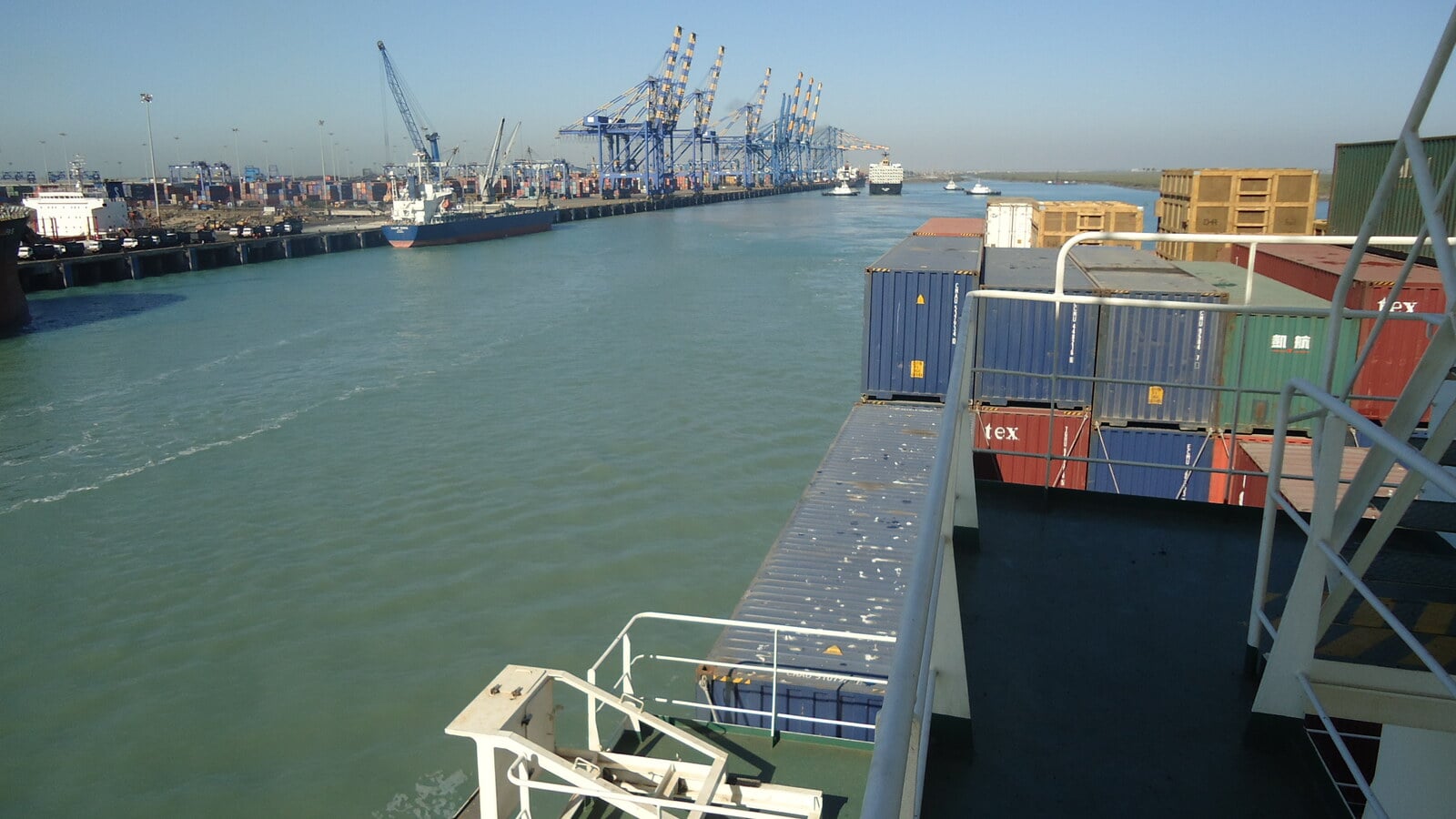
India’s largest commercial port remains open, but a dispute over where empty containers can be stored has disrupted the landside equipment cycle that exporters and importers depend on. The result is a growing risk of failed empty returns, missed vessel cutoffs and avoidable detention and demurrage.
Published September 5, 2026. This analysis distinguishes confirmed operational restrictions from industry estimates and unresolved claims.
Update — September 10, 2026: Financial Express reports that the Mundra Empty Container Yards & Allied Services Provider Association ended its 13-day strike on September 10 and advised stakeholders to resume regular operations. The report says activity resumed at 10 a.m. local time and that a detailed trade advisory is still expected. This changes the operating status described below, but it does not establish that every delayed container, truck appointment, empty return or factory-stuffing movement has cleared. Shippers should confirm the recovery shipment by shipment and preserve evidence supporting any detention, demurrage or rollover request.
Featured image: Mundra Port in Gujarat, India. Photo by Felix Dance via Wikimedia Commons, licensed under CC BY 2.0; cropped to 16:9.
The disruption has moved beyond empty-container yards
The dispute began after Adani Ports and Special Economic Zone Ltd. said that, beginning September 1, shipping lines would have to nominate empty containers to designated depots inside the Mundra Port special economic zone. Empty-yard operators outside the port limits suspended services from August 28 in opposition to the change.
The disruption widened September 1 when the Kandla Mundra Container Transport Welfare Association said approximately 1,500 transporters had stopped picking up all types of containers. The association’s notice said vehicles would be withdrawn from the road beginning September 2 until further notice, according to ETInfra.
The Mundra Customs Brokers’ Association estimated that roughly 5,000 containers a day were being held up. That figure is an industry estimate—not an official count from the port—and should be treated accordingly.
The port can be open while the container cycle fails
The important distinction for shippers is operational. Vessel and terminal activity does not have to stop for cargo to miss a sailing. Exporters that rely on factory stuffing need an empty box released and delivered before they can load it. Importers need an authorized location that will accept the empty after unloading.
Kuehne+Nagel’s operational alert, citing Hapag-Lloyd, says empty-container allotments for factory stuffing and empty returns at affected yards were suspended until further notice. Container Freight Station activities—including stuffing and gate-in—remained operational.
That creates a split market: shippers able to move cargo through a functioning CFS may have a fallback, while factory-stuffed cargo and import empties can remain exposed to equipment, trucking and documentation failures.
Adani’s new yard is a mitigation—not yet proof of resolution
On September 3, APSEZ announced a dedicated empty-container yard with integrated warehousing at Mundra. The company says the facility will provide storage, maintenance, inspection and movement services intended to improve turnaround and coordination. The APSEZ announcement establishes the operator’s response, but it does not confirm that striking transporters have resumed service or that off-port depot operators have accepted the new arrangement.
This is the central decision point: additional yard capacity inside the port cannot by itself normalize the container cycle if trucks are unavailable to move boxes between the port, CFS facilities and factories.
What exposed shippers should do now
- Verify the operating path shipment by shipment. Confirm the nominated empty depot, equipment-release status, truck availability, stuffing location and terminal cutoff in writing.
- Preserve failed-return evidence. Keep emails, gate receipts, screenshots, driver records and timestamps showing unsuccessful attempts to return an empty container.
- Request relief before charges accrue. Ask the carrier to extend delivery orders, free time and return permissions and to identify an alternative depot without additional charges.
- Test the CFS option. Where commercially and operationally feasible, compare CFS stuffing against the cost and risk of waiting for factory-stuffing equipment.
- Protect the sailing, not just the booking. Reconfirm the physical box, truck appointment and latest gate-in time. A booking confirmation alone does not prove the cargo can reach the terminal.
- Audit the full landed-cost exposure. Include additional drayage, handling, storage, detention, demurrage, rollover and inventory-delay costs.
What remains uncertain
The reported strike has ended, but recovery conditions remain uncertain. The detailed trade advisory was still pending when this update was prepared, and FIR has not found terminal-level evidence showing that every delayed empty return, factory-stuffing move or laden container has cleared.
FIR assessment: Mundra’s marine infrastructure is not the immediate constraint. The constraint is the landside handoff among empty depots, truckers, factories, CFS facilities and terminals. Until that handoff is demonstrably functioning, western India cargo remains exposed even when vessels continue calling the port.
Sources: APSEZ, September 3, 2026; Kuehne+Nagel operational alert; ETInfra, September 1, 2026; Financial Express, September 1, 2026; Financial Express, “Mundra Port operations resume as empty yard operators call off 13-day strike,” September 10, 2026.

Leave a Reply