
shipper strategy
-
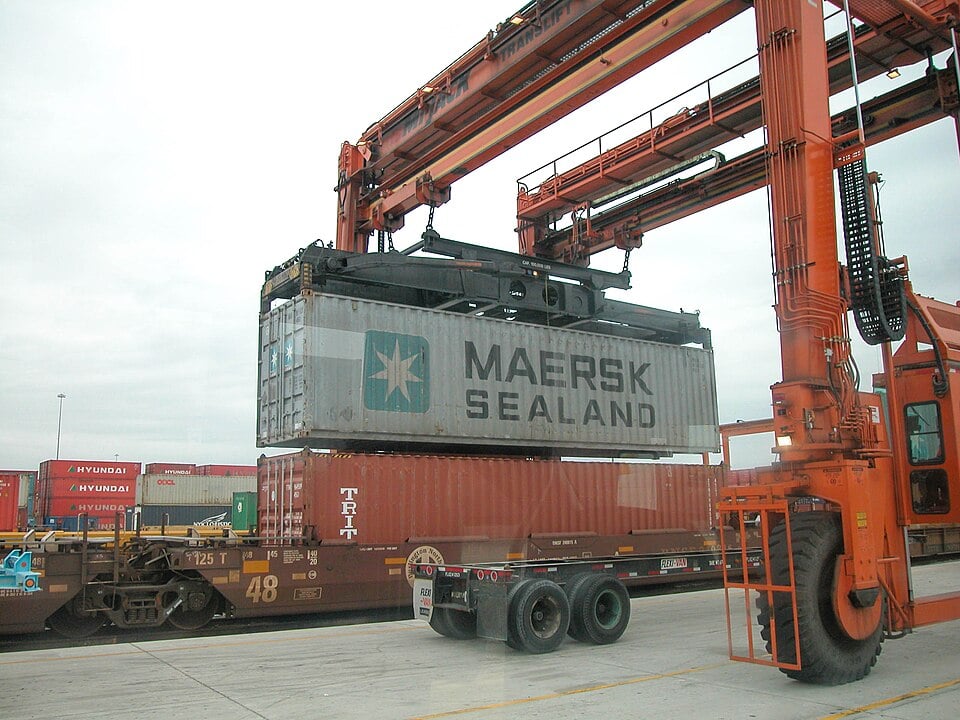
Truck Freight Costs Are Up 10.9%—Rail’s Intermodal Conversion Window Is Widening
Truck freight prices remain 10.9% above last year while rail is up only 1.3%. Here is how shippers should test the widening intermodal conversion window lane by lane.
-
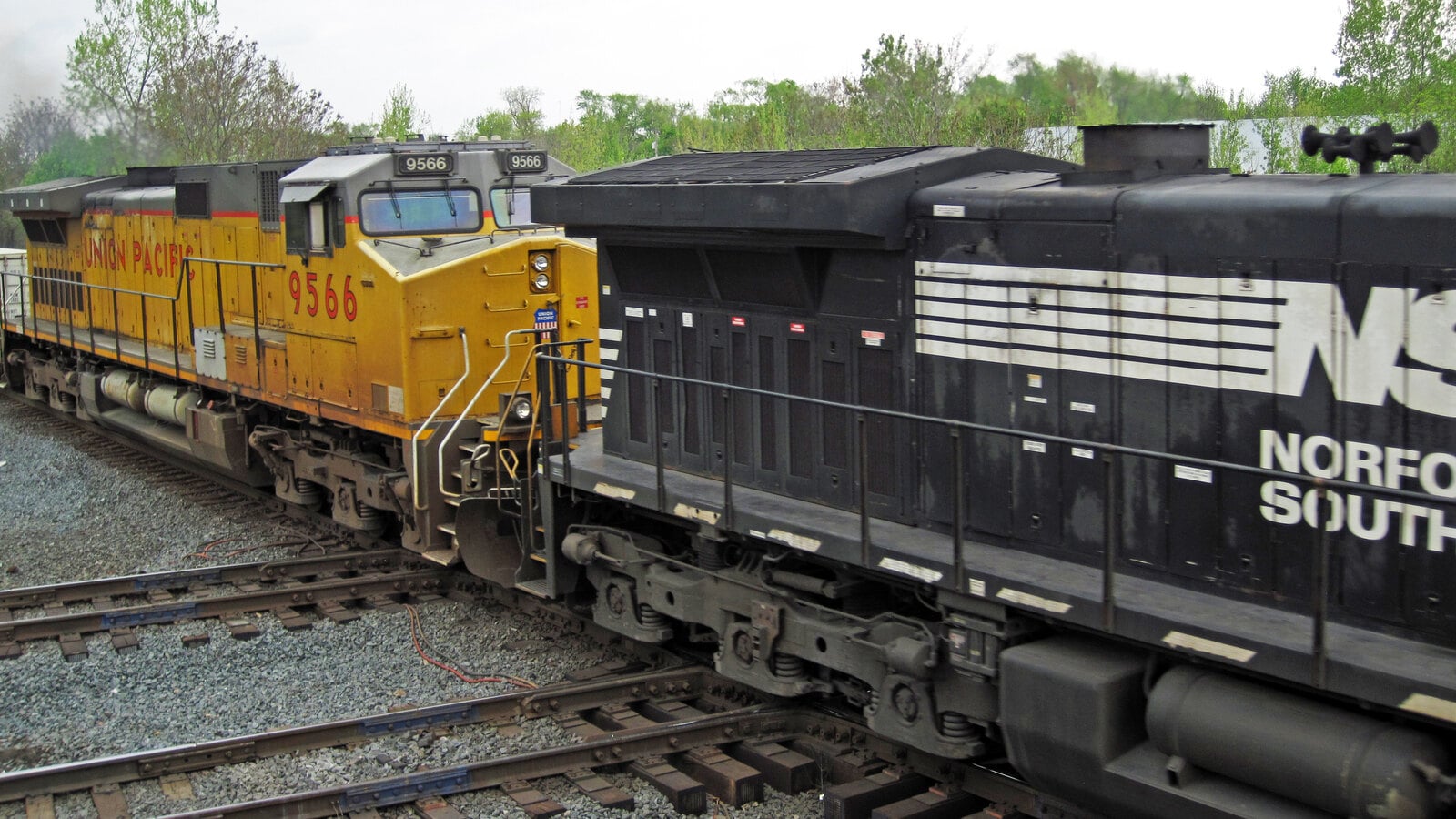
Rail’s $85 Billion Mega-Merger Review Restarts—Shippers Now Have 86 Days to Protect Their Leverage
The STB restarted its review of the $85 billion Union Pacific–Norfolk Southern merger and ordered unfiltered workpapers. Shippers now have a narrow window to protect facility-level competition, service baselines and…
-
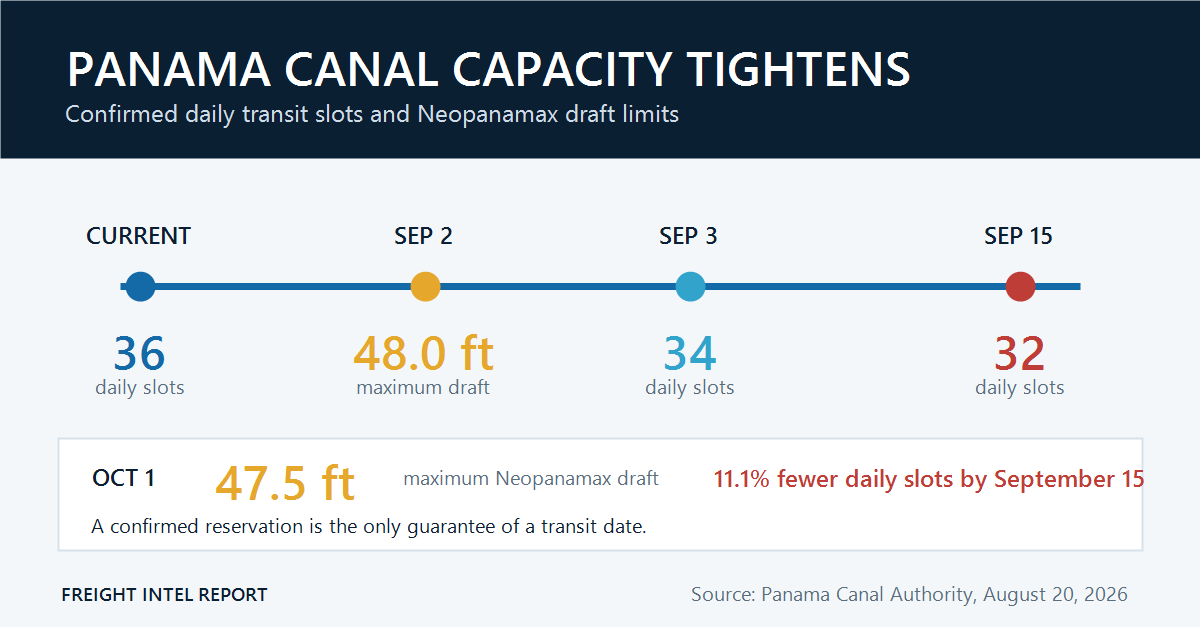
Panama Canal Cuts Daily Capacity: What Shippers Must Verify Before September 3
Panama Canal daily capacity will fall 11.1% by September 15 as draft limits tighten. Shippers should verify reservations, routing triggers and arrival-risk exposure before September 3.
-
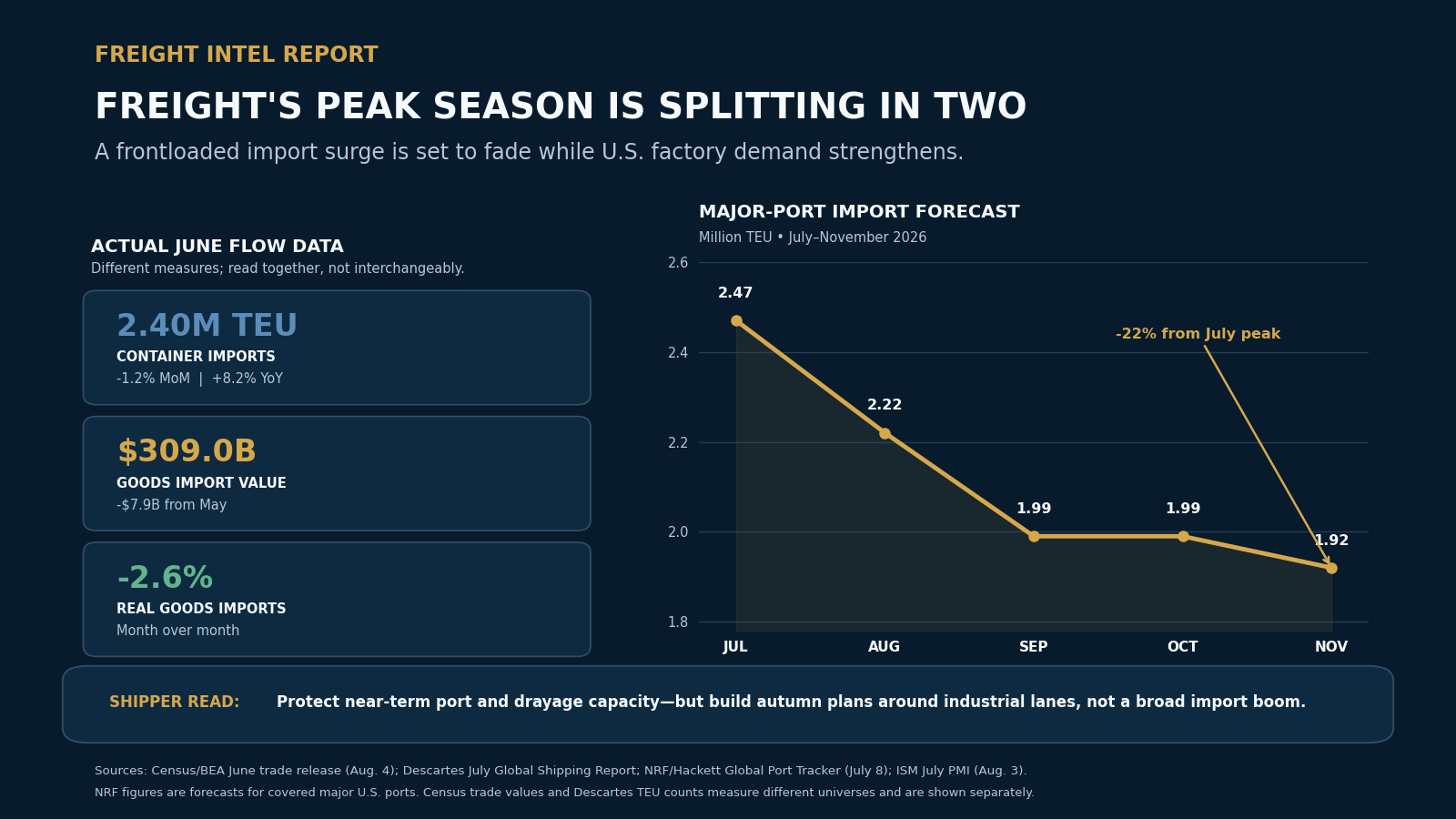
Record Containers, Softer Imports: Freight’s Peak Season Is Splitting in Two
July’s frontloaded port surge could fade as U.S. factory demand strengthens. Here are the lane, capacity and inventory decisions shippers should make now.
-
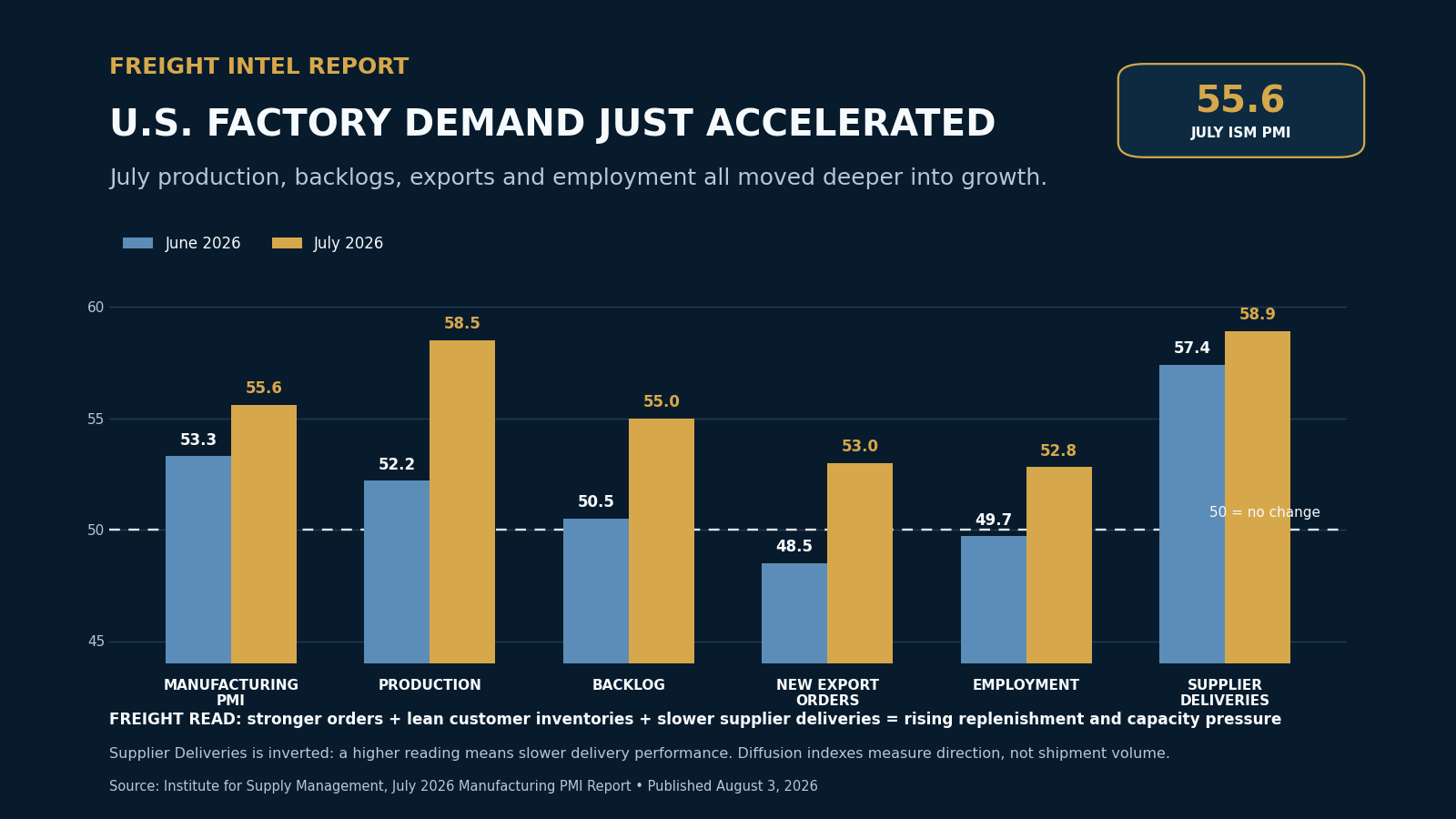
U.S. Factory Production Jumps—A New Freight-Demand Signal Is Forming
July factory production reached a nearly five-year high as backlogs, exports and employment expanded—an important leading signal for freight capacity and shipper planning.
-
 Freight Intel Outlook · Freight Markets · Shipper Strategy · Technology & Operations · Trucking & OTR
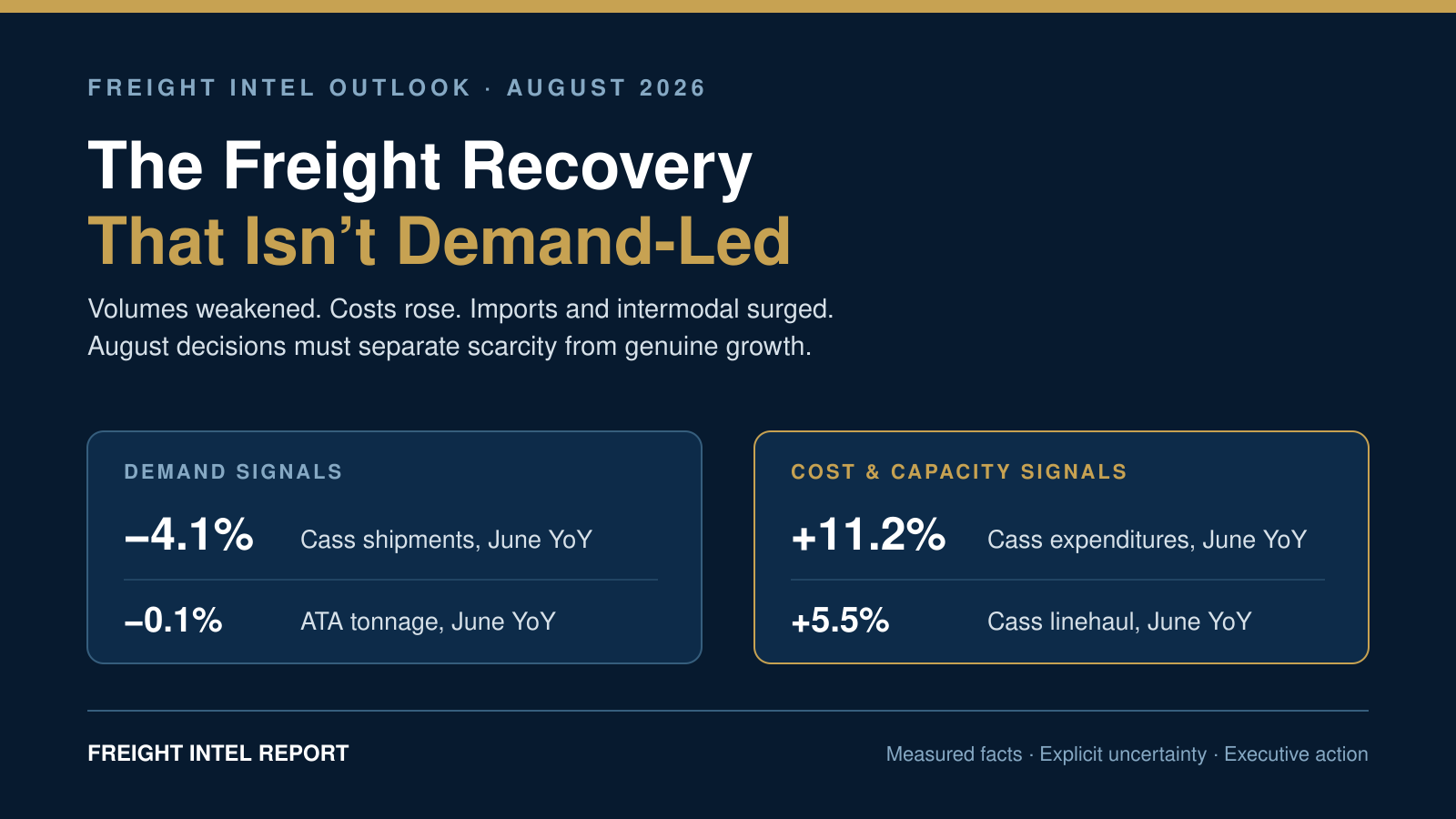
August Freight Outlook: The Recovery Isn’t Demand-Led—and That Changes Every Shipper Decision
Freight volumes weakened while costs, imports and intermodal activity rose. The August 2026 Freight Intel Outlook explains what shippers, carriers and brokers should do next.
-
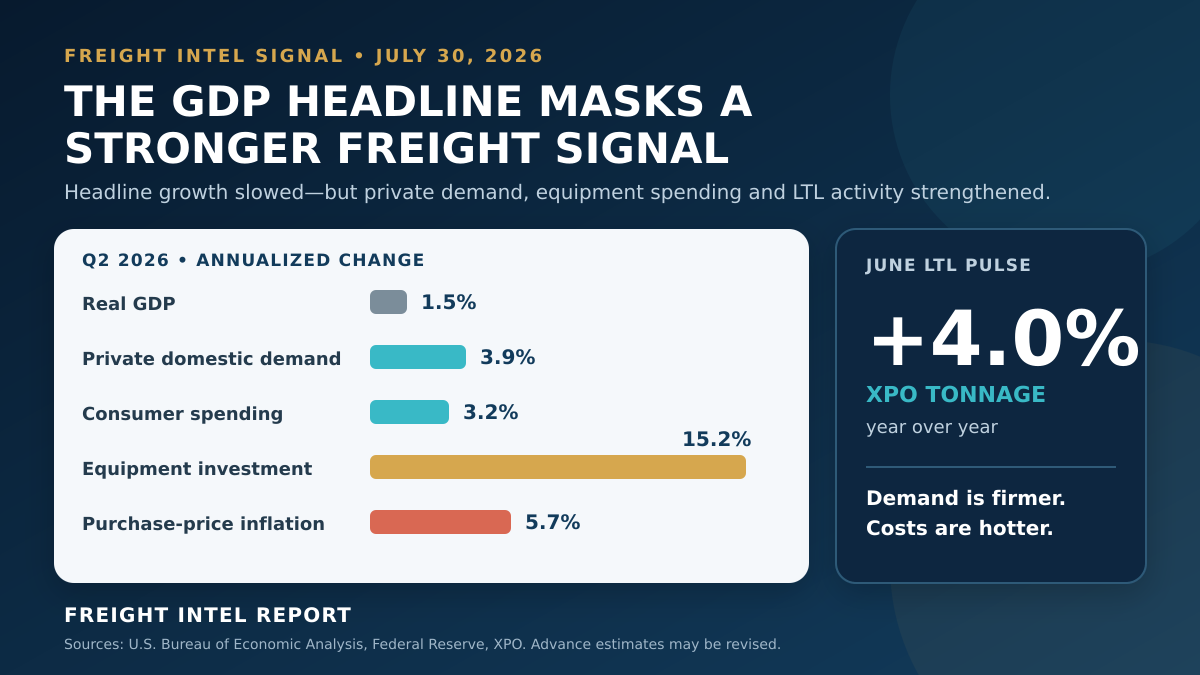
The GDP Headline Says Slowdown. Freight Demand Says Something Else.
Q2 GDP slowed to 1.5%, but private demand, consumer spending, equipment investment and June LTL tonnage point to firmer freight activity—and hotter costs.
-
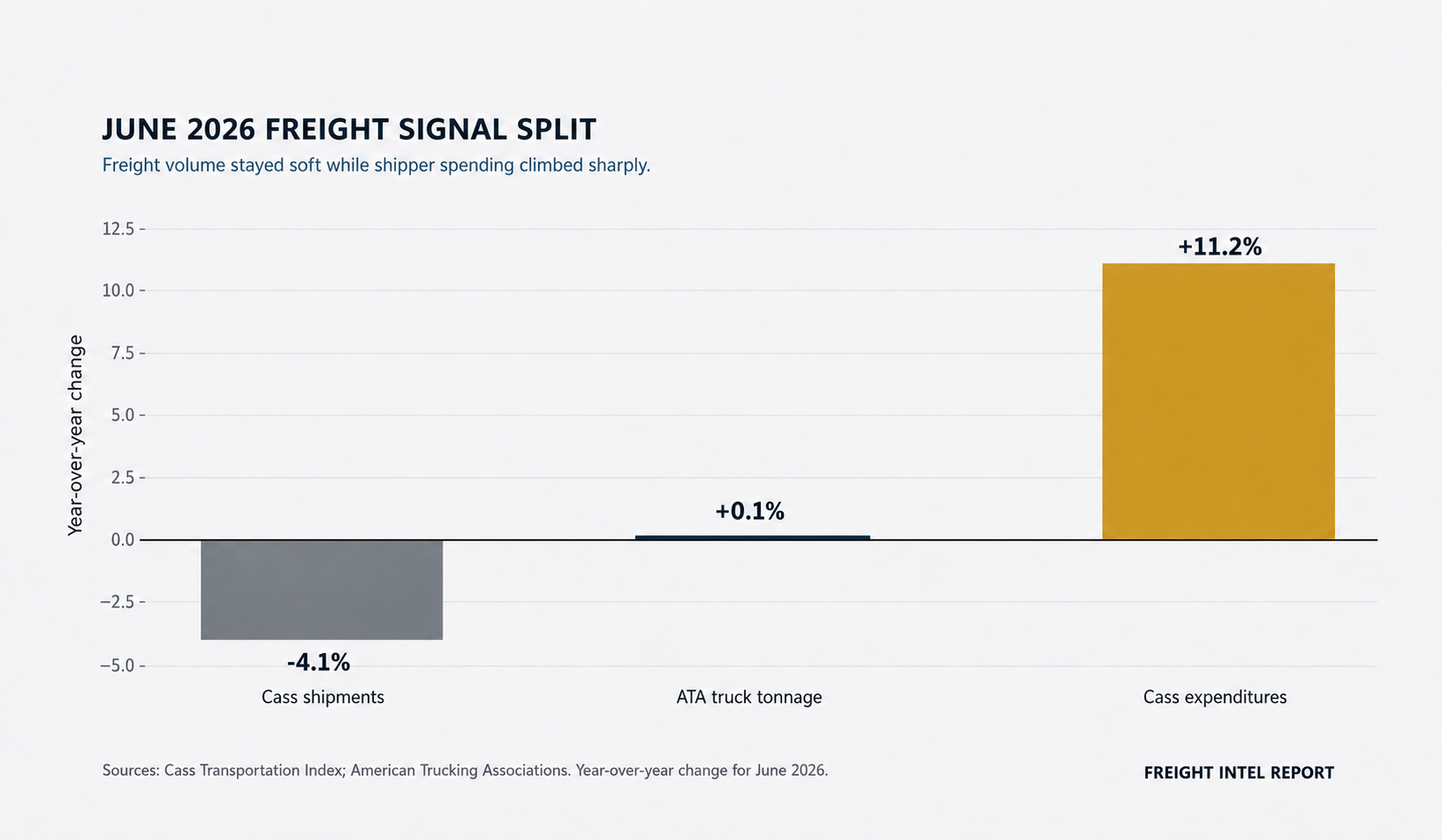
The Freight Market’s Mixed Signal: Volumes Stay Soft While Costs Rise
June’s freight data delivered a message that transportation leaders cannot afford to flatten into a simple “recovery” or “recession” narrative: shipment demand remained soft, but the cost of moving freight…