
A temporary U.S. tariff-rate quota for lean beef trimmings opens September 1, creating a compressed customs and cold-chain execution window for importers, brokers, refrigerated carriers and storage operators.
The measure authorizes up to 300,000 metric tons—approximately 661 million pounds—of specified lean beef trimmings to enter under an expanded in-quota allocation during the remainder of 2026. The volume will be released in three 100,000-metric-ton tranches on a first-come, first-served basis.
The first tranche runs September 1–30. The second opens October 1 and closes October 30. The third opens October 31 and remains available until the allocation fills or November 30, whichever occurs first.
What the proclamation actually changes
The relief is narrower than a general suspension of beef tariffs. It applies only to lean beef trimmings classified under HTSUS statistical reporting numbers 0201.30.5091, 0201.30.5097, 0202.30.5091 and 0202.30.5097. The additional allocation is assigned to “other countries or areas”; it does not replace the separate Argentina allocation or alter access under existing free-trade agreements and country-specific quotas.
The controlling customs event is also important. Under the published tariff schedule language, qualifying product must be entered for consumption or withdrawn from warehouse for consumption within the prescribed period. A purchase order, production date or vessel departure inside the window does not by itself secure quota treatment.
U.S. Customs and Border Protection is responsible for administering the allocation and may make operational adjustments. Importers should therefore treat quota status as a live execution variable—not a fixed benefit assumed when the purchase contract is signed.
The scale is large, but it is a ceiling
The 300,000-metric-ton ceiling exceeds the 542.4 million pounds of total beef the United States imported in June. It is also approximately 10.8% of USDA’s current 6.132-billion-pound forecast for all 2026 U.S. beef imports.
That comparison demonstrates the measure’s potential scale, but it should not be read as a forecast. Purdue University agricultural economists note that some qualifying product may have entered the United States even without the temporary allocation. Supplier availability, eligibility, freight capacity, inspections, quota utilization and commercial economics will determine how much additional product actually arrives.
For another operational illustration, 300,000 metric tons would equal roughly 12,000 refrigerated-container loads at 25 metric tons each. Actual payloads, packaging, origins and modal patterns will vary, and some product may move through existing inventory or bonded-storage channels.
Why this becomes a freight decision
The government action reduces one potential landed-cost barrier. It does not create refrigerated equipment, vessel space, inspection capacity, reefer plugs, temperature-controlled drayage or cold-storage doors.
Those constraints matter because each monthly tranche is capped at 100,000 metric tons. An importer can have eligible product and a favorable purchase price but still lose the expected economics if documents are late, a vessel schedule slips, inspection is delayed or the tranche fills before entry is accepted.
The first-come structure can also concentrate bookings and entries near each opening date. That raises the possibility of short-notice demand for reefer capacity, customs processing, inspection appointments and bonded cold storage—particularly if multiple importers target the same suppliers and gateways.
Five controls importers should activate now
- Validate eligibility shipment by shipment. Confirm the HTSUS classification, country, producing establishment and admissibility requirements with customs and food-safety specialists.
- Separate booking status from quota status. A confirmed sailing does not guarantee access to the in-quota allocation. Track CBP quota utilization and define who has authority to stop or reprice a shipment.
- Build the schedule backward from entry. Model production, sailing, port arrival, inspection, customs release and warehouse withdrawal against the applicable tranche—not merely the purchase date.
- Reserve the complete cold chain. Confirm reefer equipment, plug capacity, temperature-controlled drayage, inspection contingencies and primary and backup cold-storage appointments.
- Preserve a fallback landed cost. Contracts should state which party bears added duty, storage, demurrage, detention or diversion costs if a shipment misses the window or the allocation fills.
What remains uncertain
The proclamation establishes the ceiling and timetable; it does not guarantee that all 300,000 metric tons will be used or that consumer prices will decline by a corresponding amount. The administration has directed officials to monitor whether the additional imports achieve the intended pricing result, but market outcomes will depend on supplier response, processing demand and how quickly savings move through the supply chain.
CBP implementation details and quota-fill rates will be the most important near-term operational indicators. Importers should watch for agency instructions, entry-status updates and any technical tariff-schedule corrections as the first tranche opens.
FIR analysis: The immediate opportunity is not simply cheaper imported beef. It is the ability to coordinate customs eligibility, timing and refrigerated capacity before a limited allocation closes. Teams that treat the quota as an automatic discount risk discovering the real constraint after the product is already moving.
Primary sources and additional analysis
- White House proclamation: Further Ensuring Affordable Beef for the American Consumer
- Federal Register public-inspection filing and HTSUS annex
- USDA Economic Research Service: August 2026 Livestock, Dairy and Poultry Outlook
- Purdue Center for Commercial Agriculture analysis
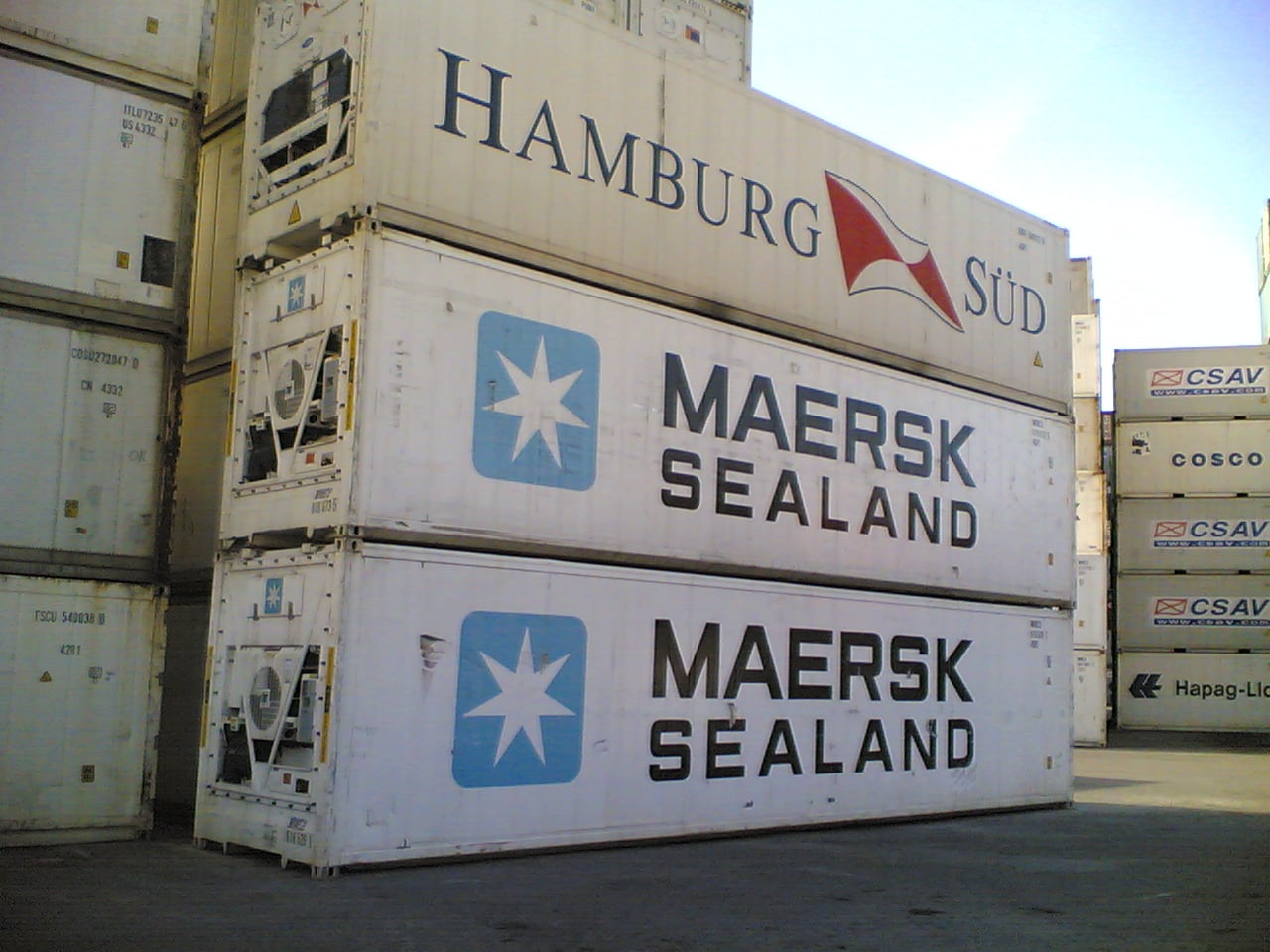
Featured photograph: Andrea Puggioni, via Wikimedia Commons, licensed under CC BY 2.0. Image is used without substantive alteration.
Government services: For government services, verification, registrations, forms, reporting, or instructions, always navigate to the official agency website directly. Independently verify its address before entering credentials or business information.


Leave a Reply