
Fuel surcharges are supposed to translate volatile energy prices into a temporary, understandable transportation cost. New disclosures suggest that procurement teams should no longer assume the translation is automatic—or proportional.
Union Pacific collected $91.1 million more in fuel-surcharge revenue than it reported in fuel expense during the second quarter of 2026, according to regulatory filings reviewed by Reuters. The difference added an estimated $83.2 million, or 14 cents per share, to quarterly profit.
The rail disclosure is the clearest signal
Union Pacific’s own second-quarter materials confirm that higher fuel surcharges were a major revenue driver. Operating revenue increased 12% year over year, while the railroad attributed 7.5 percentage points of freight-revenue growth to fuel surcharges.
That does not establish misconduct. Fuel programs commonly use published benchmarks, contractual formulas and time lags, and the surcharge is one element of a negotiated transportation price. But the size of the disclosed gap gives shippers a concrete reason to test whether their formulas still function as cost-recovery mechanisms rather than simply accepting the invoice line.
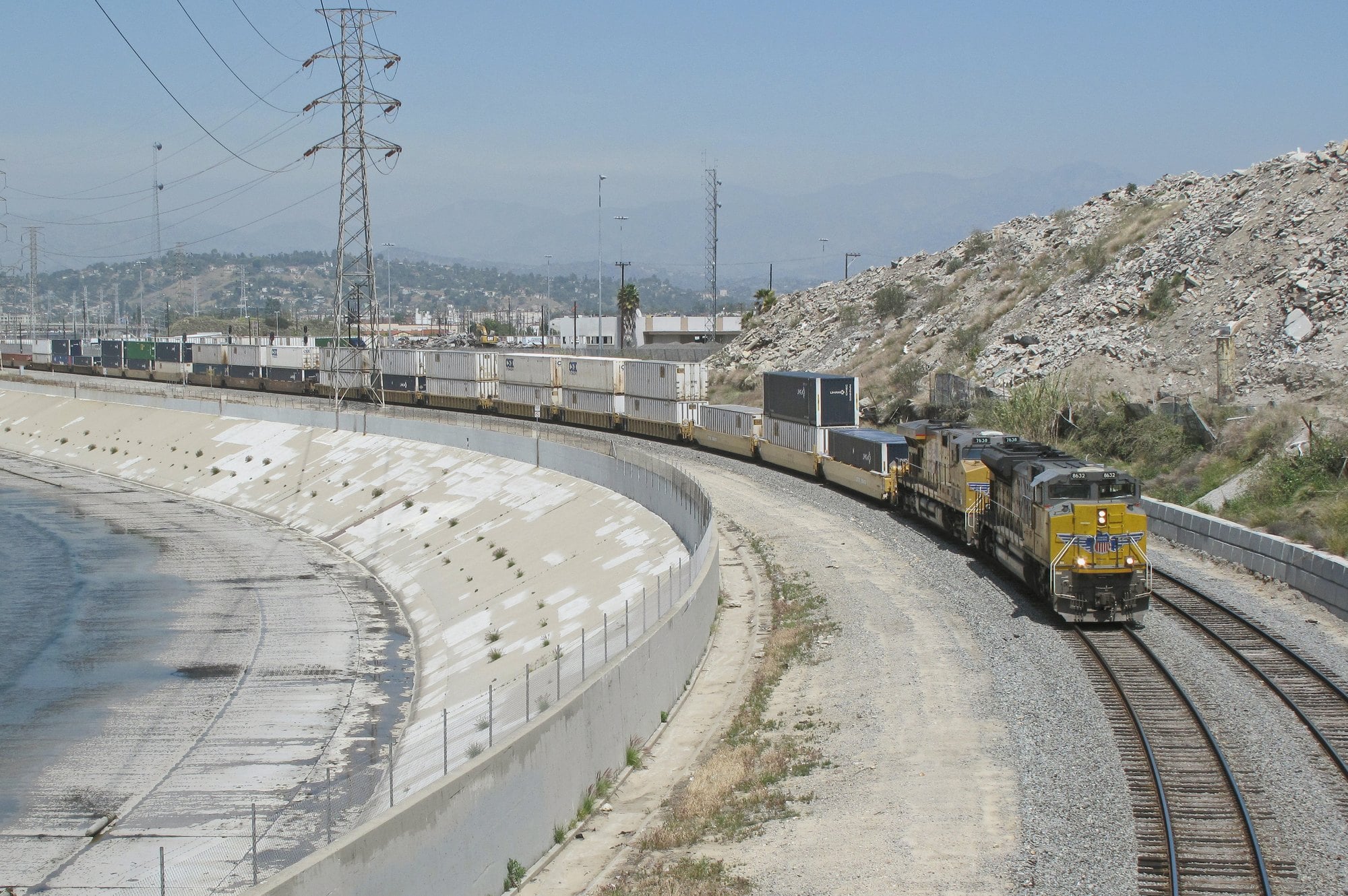
Fuel Surcharge Audit: Three Disclosed Signals
Different measures are shown for procurement review; the panels are not a common-scale comparison.
Parcel and ocean pricing show the same audit problem
The issue is not confined to rail. An AFS Logistics analysis cited by Reuters found selected UPS and FedEx package fuel-surcharge rates above 23%–24%, compared with approximately 9% when average diesel was $3.35 per gallon in August 2021. UPS said fuel collections had a modest net effect on consolidated operating profit, while FedEx said they were not a material driver of adjusted operating income.
Ocean procurement presents a different structure but a similar verification challenge. VesselBot found that marine fuel costs increased about 30% during 2026 while container-shipping fuel surcharges rose by as much as 75%. Its benchmarking approach compares published carrier charges with bunker prices, actual voyages, distance, speed, congestion, vessel deployment and regulatory exposure.
These figures measure different things and should not be blended into one universal surcharge index. Together, however, they show why a base-rate comparison alone can miss a material share of total landed transportation cost.
Five tests for the next freight audit
- Identify the benchmark. Confirm the exact diesel, jet-fuel or bunker index used and whether it matches the service being purchased.
- Measure the lag. Determine how many days or weeks separate the benchmark observation, surcharge calculation and invoice date.
- Review the trigger table. Test how quickly the percentage rises and falls at each fuel-price interval.
- Map the surcharge base. Identify whether the percentage applies only to transportation charges or also to residential, delivery-area, handling, oversize and other accessorials.
- Model the decline case. Calculate whether the surcharge falls symmetrically when the underlying fuel benchmark retreats.
What shippers should do now
Transportation buyers should extract fuel as a separate procurement workstream across rail, parcel, truck and ocean contracts. Compare the published formula with actual invoices, quantify the effective surcharge as a percentage of total transportation spend, and negotiate caps, transparent lags, auditable benchmarks and decline provisions where exposure is material.
The commercial question is not whether carriers are entitled to recover higher energy costs. They are. The question is whether each shipper can demonstrate that its surcharge remains connected to the cost it was designed to recover.
What remains unknown
Public disclosures do not reveal every customer’s discounts, negotiated formula or service mix. Comparable fuel-cost and surcharge data are also unavailable for many transportation providers. The reported figures therefore support an audit—not a blanket conclusion about every carrier or contract.
Sources
- Union Pacific second-quarter 2026 results
- Union Pacific SEC filing
- Reuters multimodal fuel-surcharge investigation, August 28, 2026
- VesselBot fuel-surcharge benchmarking methodology
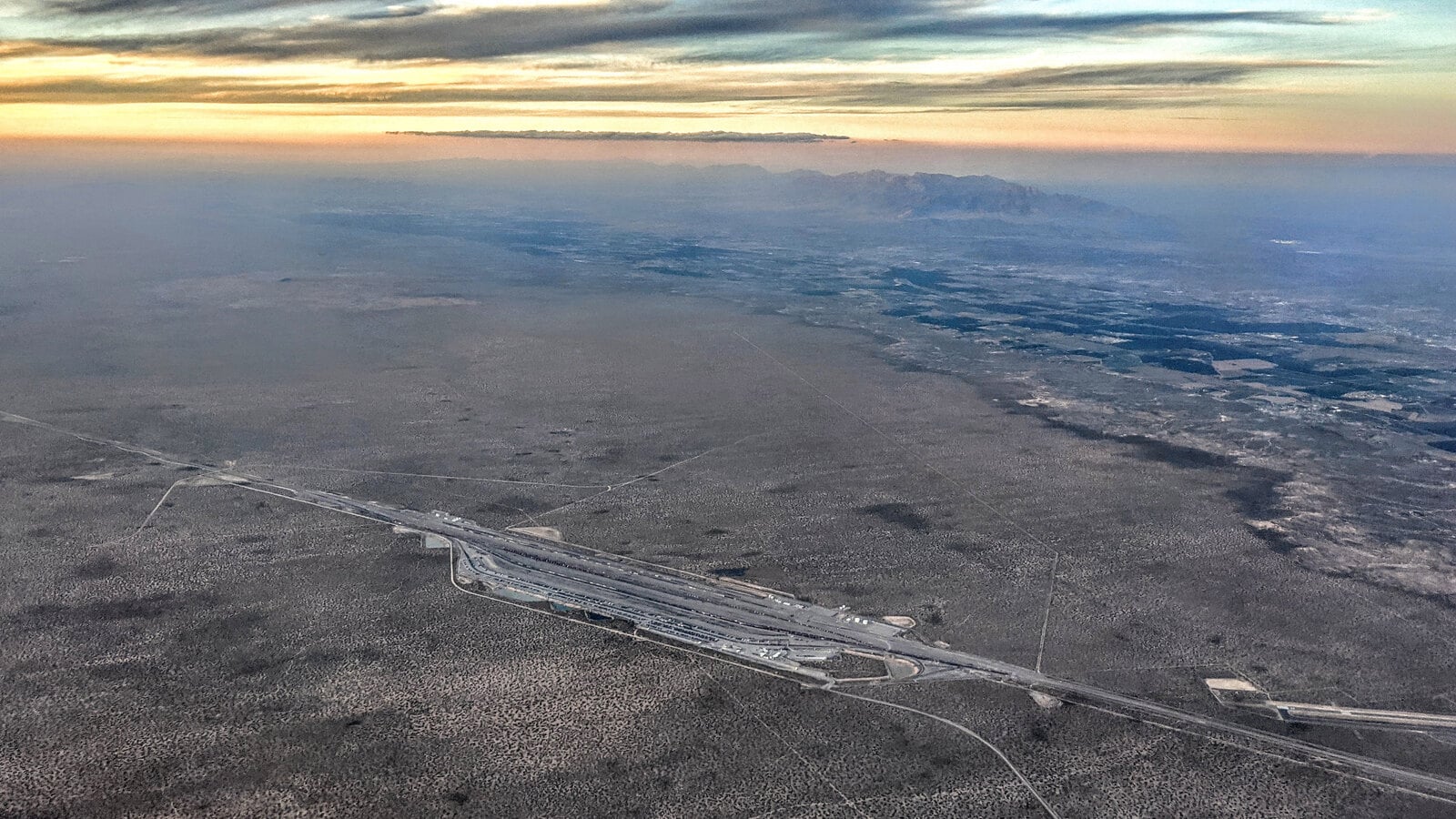
Featured photograph: Union Pacific intermodal terminal near Santa Teresa, New Mexico. Photo: Dicklyon via Wikimedia Commons, CC BY-SA 4.0.
Government services: For government services, verification, registrations, forms, reporting, or instructions, always navigate to the official agency website directly. Independently verify its address before entering credentials or business information.


Leave a Reply